






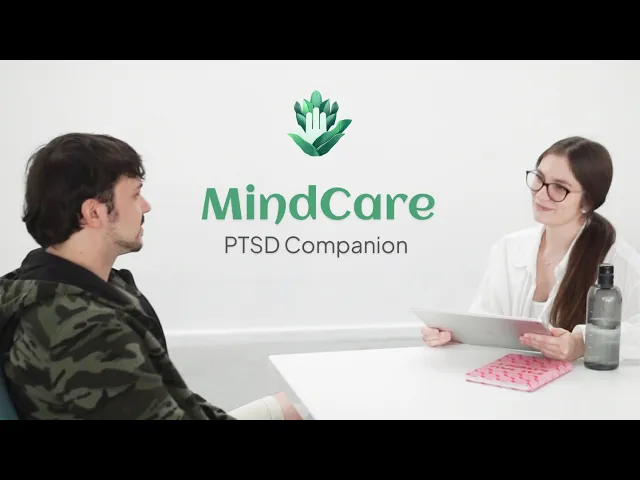
Mindcare. PTSD Companion

Duration
Jan 2024 – May 2024
Product Designer
Moholy-Nagy University of Design and Art
Me (Product Designer), Irina K (EMDR Psychotherapist), Natalia H (Family Psychologist), Tamas F (Project Consultant), Akos C (Design Consultant)
AR, Mobile and Tablet App, Multi-user Architecture, Psychology, EMDR Therapy
Problem & Motivation
create a supportive digital experience that helps therapists and people with PTSD work more effectively together, while providing gentle, personalized tools to support therapy and emotional regulation beyond sessions?
Solution
MindCare leverages the power of virtual reality to enhance therapy sessions. By using VR glasses, patients can see familiar and comforting objects that hold personal significance during Eye Movement Desensitization and Reprocessing therapy. This innovative approach helps patients reprocess painful emotions tied to traumatic events and replace them with positive, supportive memories.
"
Remarkably! The topic is vital and it’s a great idea for a solution for EMDR psychologists and their patients. It can give an emotional connection to patients to help to work over their traumas.
"
Irina Khrisanfova. Ukrainian practicing psychologist.
How I did Research
Research
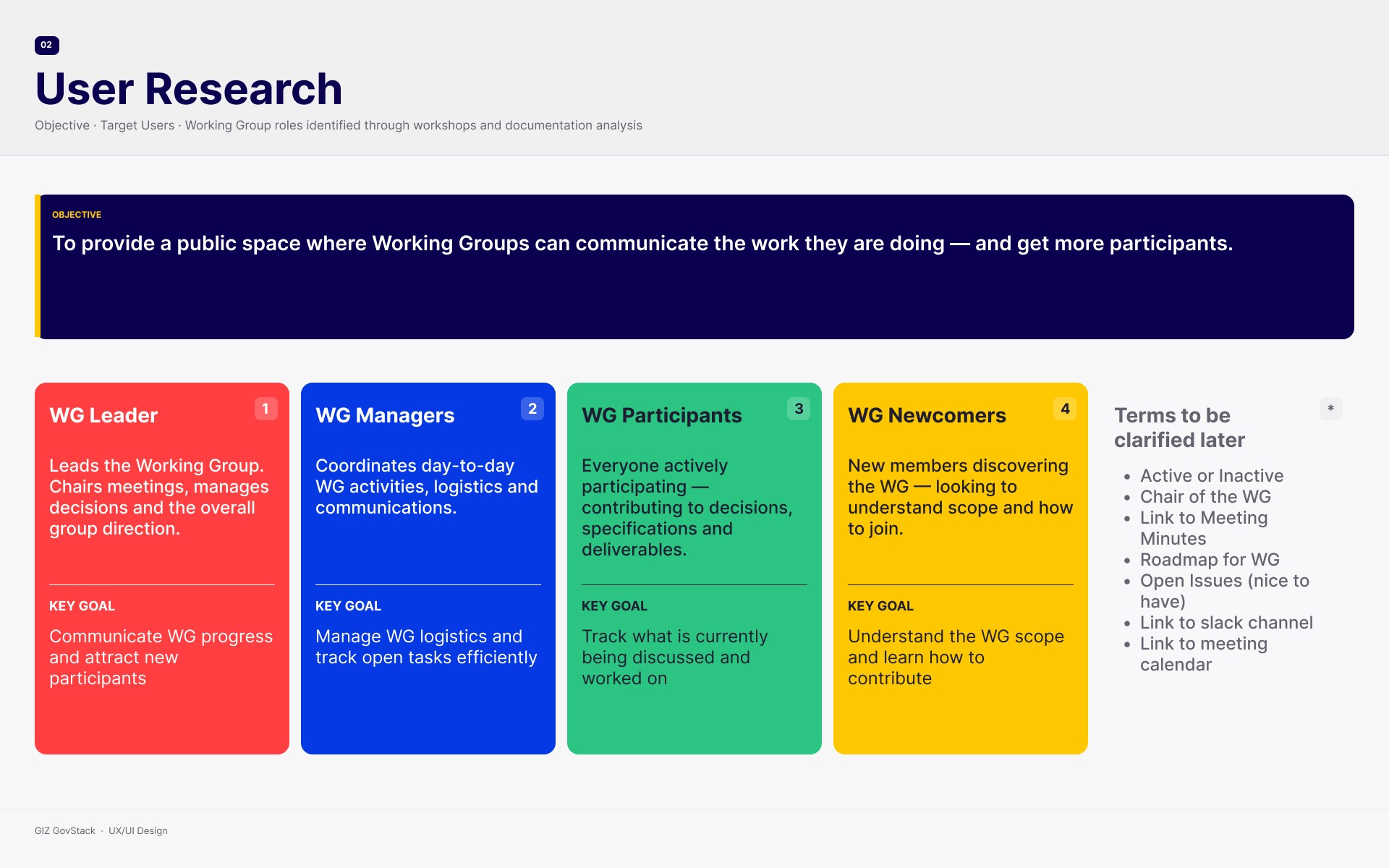
I conducted interviews with Ukrainian psychologists, psychotherapists, and people familiar with therapy processes to understand their real challenges and daily workflows. These conversations helped me see how therapists work with patients, where the process breaks down, and where thoughtful design could offer real support. Based on these insights, I built several personas and selected one primary focus to guide the initial research and design decisions.
User Journey
To guide the design, I created a user journey that reflects the emotional and psychological steps a person goes through before starting therapy. It captures the hesitation, isolation, and internal struggle many PTSD patients experience, as well as the importance of external support in taking the first step. This journey helped ground design decisions in real emotions, ensuring the solution feels empathetic, supportive, and realistic from the very first interaction.

EMDR Therapy
I conducted in-depth research into EMDR therapy to fully understand both its clinical foundations and real-world practice. I closely observed how a psychologist conducts sessions, discussed what supports patients best, and identified where digital tools could meaningfully assist the process. To deepen my understanding, I also experienced EMDR techniques myself under a psychologist’s guidance. This hands-on research helped me design with empathy, accuracy, and a clear awareness of how therapy unfolds in practice.
How I Designed it
Ideation
System map
I created a system map to visualize how psychologists and patients interact with the platform during and between sessions. It helped me structure roles, tools, and data flow across the tablet and mobile apps, align in-session therapy with follow-up tasks, and identify dependencies early to ensure a coherent end-to-end experience.
UI
Psychologist App
I designed these psychologist-facing screens to support both live therapy sessions and work between sessions. Control mode centralizes patient information, progress tracking, tasks, and notes, helping psychologists monitor development, plan sessions, and reduce manual work while keeping clinical context visible and structured. Session mode focuses on creating and controlling visual stimuli, with clear tools for adjusting movement, speed, size, and transitions to fit EMDR needs in real time.
I designed these screens to bridge the gap between therapy sessions using a visual language rooted in deep-dive interviews with Ukrainian users. To build immediate trust and emotional safety, I integrated lavender as a primary motif; this choice was driven by my research persona, for whom lavender represents home and the warmth of his mother’s favorite plant.
UI
Patient App
I designed these patient-facing screens to provide an empathetic and structured bridge between therapy sessions. Informed by deep-dive interviews with Ukrainian users, I integrated culturally resonant metaphors—such as the "Resource Accumulator" gummy bear jar—to help patients visualize and track their inner energy through sensory-based tasks. While the Home and Profile views simplify the logistics of care, the Flashbacks module offers immediate, research-backed intervention, using grounding questionnaires and breathing exercises to anchor users in the present during moments of acute stress.
User Testing
To validate the MindCare ecosystem, I conducted multi-platform usability testing involving the phone Patient App, the tablet Psychologist App, and immersive VR environments. Feedback was positive regarding the app prototypes, with users finding both the patient and psychologist interfaces to be comprehensive and easy to use. However, the testing process also highlighted critical friction points within the VR module, revealing that more work is needed to smooth the transition and technical flow of the immersive experience. These insights allowed me to finalize the intuitive mobile and tablet workflows while identifying the VR integration as a key area for future iterative refinement.

Outcome
Innovation:
Enhances EMDR Therapy by utilizing AR and AI (Sora, 3dfy, Skybox, Aiva, Endel) to create immersive and effective therapeutic experiences.
Augmented reality stimuli allow clients to see both the psychologist and surroundings.
Personalization:
Tailored visual stimuli and animation based on individual preferences and memories.
Integration:
Combines traditional therapeutic techniques with emerging technologies.
Relevance:
Current Crisis in which PTSD rates are rising among those affected by the war in Ukraine.
Essential for providing effective, personalized mental health care.